A cracked windshield is more than an eyesore—it’s a serious safety hazard. Even a tiny chip can spread rapidly, affecting your visibility and compromising your vehicle’s structural integrity. For car owners in Niagara Falls and nearby areas, knowing how to identify and address different types of windshield damage is key to staying safe on the road.
Why Every Crack Deserves Attention?
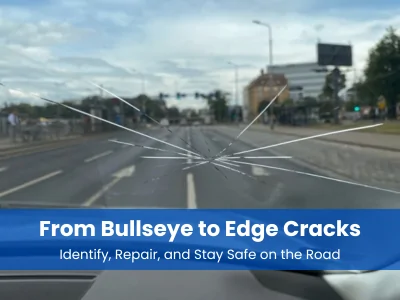
You might be tempted to ignore a small chip or hairline crack, thinking, “It’s not that bad.” The truth is, windshield cracks rarely stay small. Changes in temperature, rough roads, and even minor vibrations can turn a minor flaw into a major problem. Acting quickly not only preserves safety but can also save money—repairing a small crack is much cheaper than a full replacement.
Even minor damage can reduce the effectiveness of airbags and compromise the structural integrity of your vehicle during an accident. That’s why it’s important to know what type of crack you’re dealing with and how quickly you should act.
The Most Common Types of Windshield Cracks
Understanding the type of crack is the first step toward deciding whether repair or replacement is necessary. Here’s what to look for:
1. Bullseye Crack
Bullseye cracks are circular with a darkened impact point in the center—imagine a tiny target on your windshield. They usually occur when a small stone hits the glass at high speed.
What to do: These cracks are usually repairable if they’re smaller than a quarter. Don’t wait—the faster you fix it, the less likely it is to spread. Repairing a bullseye early prevents long-term damage and helps maintain the clarity of your windshield.
2. Star Crack
Star cracks resemble the shape of a star, with lines radiating from the central impact point. They are slightly trickier than bullseyes because the lines can expand rapidly, especially when located near temperature-sensitive areas of the windshield.
What to do: Star cracks are often repairable but only if caught early. If ignored, they can grow into long cracks that demand a full replacement. Driving with a star crack for too long can also reduce visibility, making it unsafe on highways and busy city roads.
3. Combination Crack
A combination crack is exactly what it sounds like: a mix of bullseye and star patterns, sometimes with additional small fractures branching off. These can develop unpredictably and are often caused by multiple impacts or existing stress points in the windshield.
What to do: Combination cracks require fast professional assessment. Some can be repaired, but many will need replacement to ensure safety. The unpredictability of combination cracks makes early evaluation crucial.
4. Edge Crack
Edge cracks start at the perimeter of the windshield, making them especially dangerous. Because the edges provide structural support, damage here can compromise the entire windshield and, by extension, the car’s safety in a collision.
What to do: Edge cracks almost always require replacement. Driving with an edge crack is risky—don’t delay professional service. Even a small bump on a road can cause these cracks to spread further, so immediate attention is necessary.
5. Long or Stress Cracks
These are extended cracks that often appear without direct impact, caused by temperature changes or vehicle flexing. Stress cracks can start small but quickly lengthen across the windshield.
What to do: Typically, long cracks require full windshield replacement. Prompt action prevents them from spreading further and reduces the risk of additional damage. Ignoring stress cracks can lead to costly repairs and compromise your vehicle’s safety during accidents.
Practical Tips for Car Owners
Even before professional service, there are steps you can take to minimize further damage:
- Avoid Sudden Pressure: Don’t slam doors or place heavy items near the windshield.
- Keep It Dry: Moisture can seep into cracks, making repairs more difficult.
- Protect from Sun: Direct sunlight can expand cracks quickly; park in shaded areas whenever possible.
- Act Fast: Small chips can escalate overnight. The earlier you address the damage, the simpler the repair.
- Cover the Crack: If you can’t get professional help immediately, covering the chip with clear tape can prevent dirt and moisture from entering.
Why Professional Windshield Repair Matters?
While DIY kits exist, professional auto glass repair ensures the job is done safely and effectively. You can learn more about the pros and cons in the blog post, “DIY Kits vs Professional Windshield Repair“. Technicians use specialized resins and equipment to restore clarity and structural strength, preventing cracks from spreading. At Star Windshield, our experts provide fast, reliable windshield repair in Niagara Falls, ensuring that your vehicle remains safe and road-ready.
Professional repair also maintains your car’s resale value. A properly repaired windshield is almost indistinguishable from an undamaged one, while DIY fixes often leave bubbles or imperfections that can lower your vehicle’s value.
Repair vs Replacement: Making the Right Choice
Knowing when a crack can be repaired versus when it requires replacement is crucial:
- Repairable: Small bullseyes, minor star cracks, and some combination cracks.
- Replacement Needed: Edge cracks, long stress cracks, and large combination cracks.
A damaged windshield not only affects visibility but also impacts airbag deployment and overall vehicle safety. When in doubt, it’s better to consult professionals who can provide accurate recommendations. Have a look at our guide on windshield repair vs replacement for more.
Take Action Today
Your windshield protects you every time you get behind the wheel. Don’t wait until a small chip becomes a safety hazard. For fast, professional windshield repair in Niagara Falls and nearby, call Star Windshield at 647-509-2154. Our team will evaluate your damage and recommend the safest, most cost-effective solution to keep you and your vehicle safe on the road.